Hostage of Stupidity
A mirror held up to an age in which noise replaces thought, slogans replace responsibility, and beautifully packaged nonsense begins to look like common sense.
Discover the bookFiction · Essays · Quiet satire
The world has never suffered from a shortage of explanations. Only, occasionally, from an excess of confidence in them.
Stories about memory, history and the private cost of public events—alongside essays for a world that keeps confusing slogans with truth.
About the writer
Some stories begin with history. Others with a headline, a border, or the peculiar confidence of someone who has not yet realised they are mistaken. The interesting part is usually what they have in common.

Alex Buday is a Central European writer of fiction, essays and literary satire. His work explores memory, history and the private cost of public events—along with the illusions people build to make power, progress and everyday absurdity feel reassuringly normal.
His fiction is shaped by borders, silence and the unfinished histories of Central Europe. His essays move through politics, culture, technology and human nature with a quiet irony and a persistent suspicion of easy answers.
He is the founder and editor of Illusions Not Included (INI), an independent multilingual literary publication. Across books, stories and shorter reflections, the same question keeps returning: what remains when the official explanation has finished speaking?
Latest writing
Stories, essays and satire about the assumptions we rarely notice until they begin running the world.
Any Resemblance to Humans Is Intentional · Paid writing
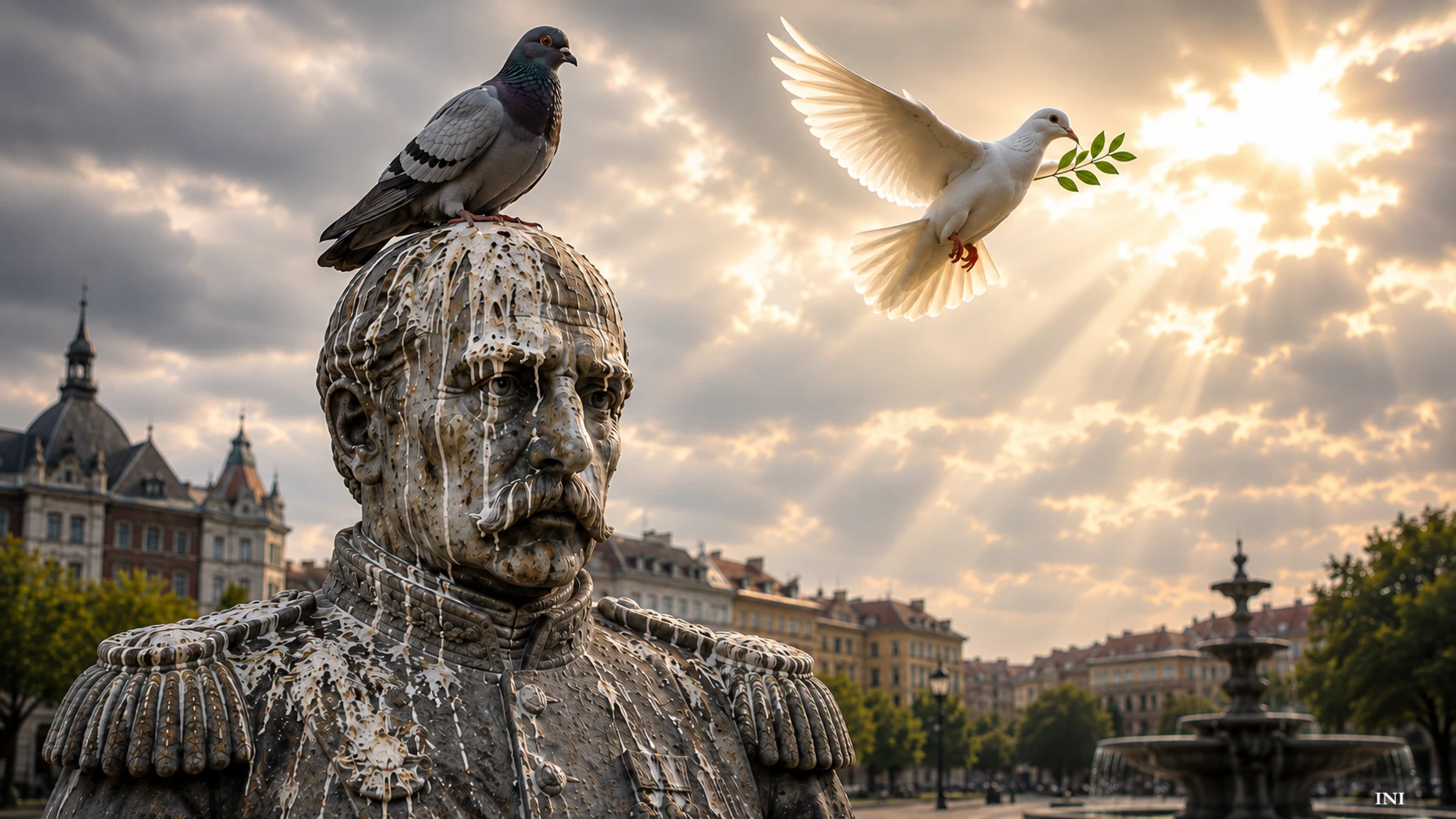
The pigeon carried our messages long before we invented ways to read, copy and monetise them. When its services were no longer required, we rewarded it with an honourable new role: symbol of peace. The white dove still enjoys an impeccable reputation on posters. Its grey relative continues to wander through the city, where its very existence has become a matter of municipal concern. Human gratitude is a remarkable thing. It asks so little of a symbol, and rather a lot of anything still alive.
INI · Free to read
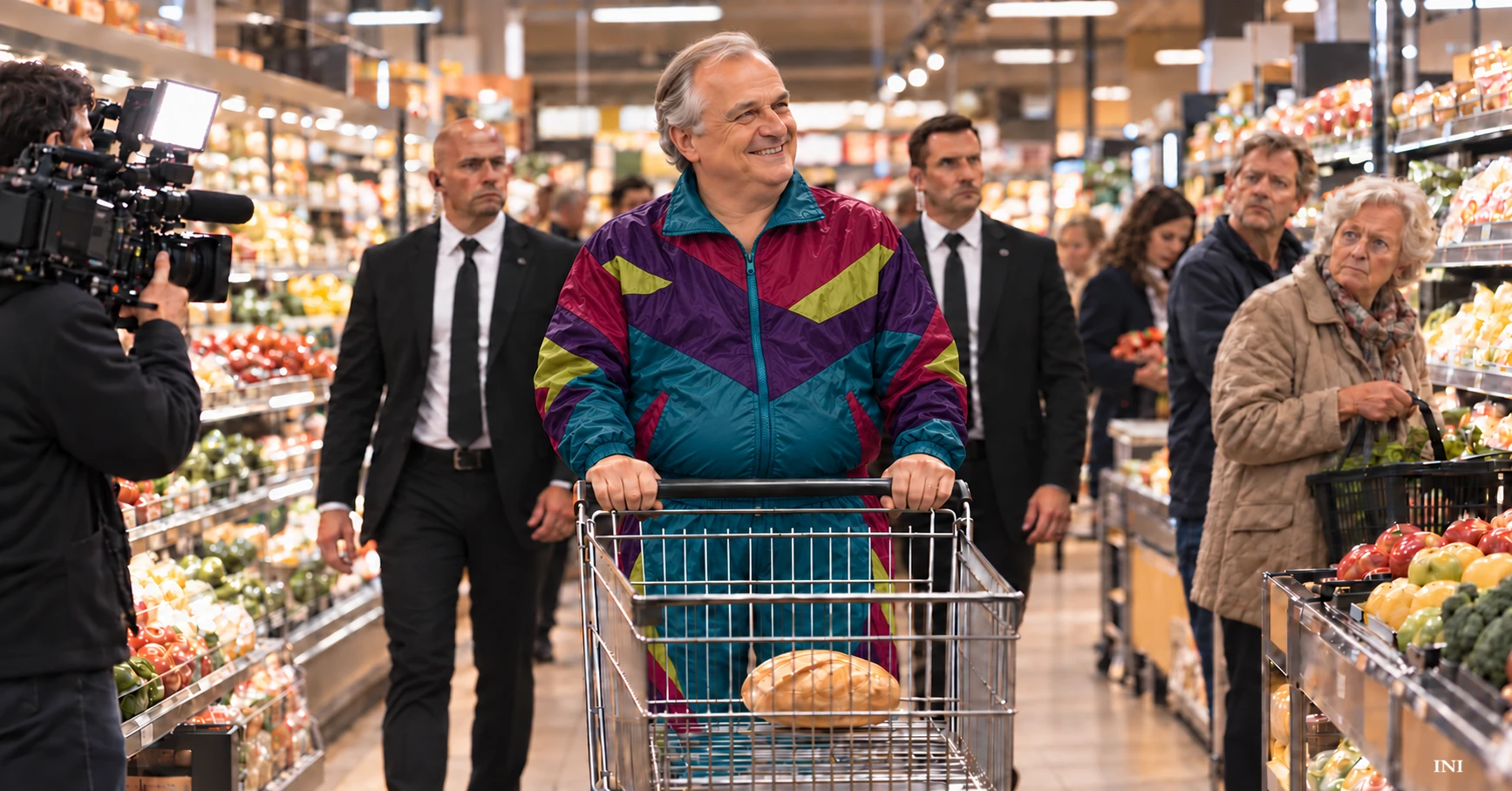
There was a time when rulers needed balconies, uniforms and monumental portraits. The modern strongman requires little more than a well-lit studio, a dependable news feed and the occasional visit to a carefully selected supermarket. The cameras record his warmth. The bodyguards maintain a respectful distance, occupying much of the aisle in the process. Behind them, ordinary shoppers attempt the difficult task of looking entirely natural. By evening, the visit will have become proof of humility, courage and an unbreakable bond with the nation. The audience will be busy discussing the performance. What the government actually did while everyone was watching is another matter.
Henry & Margaret: Morning Coffee Chronicles · Paid writing
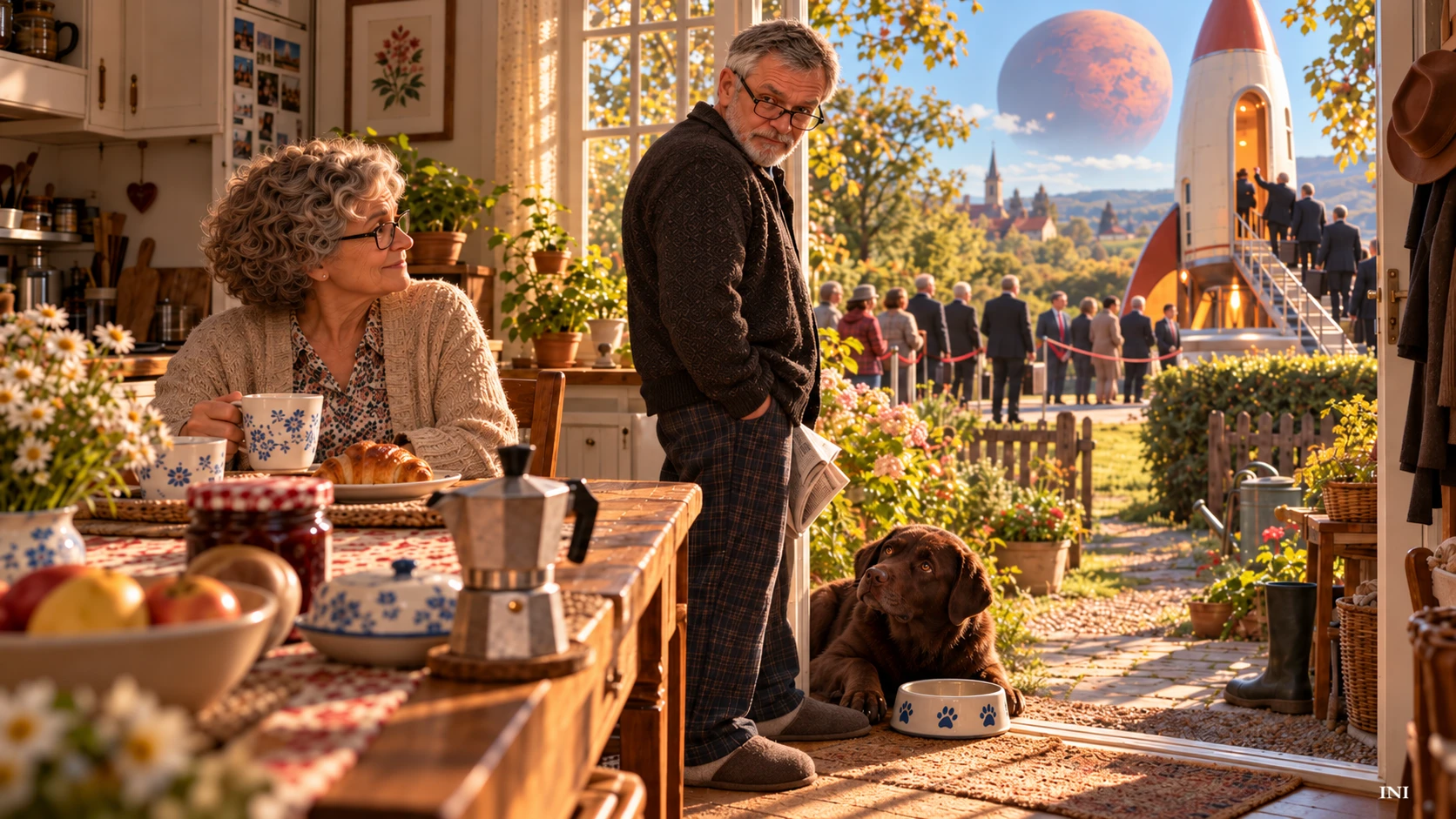
Henry had found an article about settling Mars. Future colonists, it said, would need exceptional adaptability, a talent for handling crises, and the ability to establish a functioning society. Margaret needed no time to consider the candidates. Scientists and engineers were clearly unsuitable. They might build something that worked. Within minutes, Mars had a provisional president, several ministers, and a committee to oversee construction. The settlement itself could be dealt with later. For a moment, a one-way ticket sounded like a remarkably sensible idea. Then Henry began to wonder what, exactly, it would solve.

INI · Free to read
Most of us are not short of answers. We have careers, savings plans, health metrics, books, podcasts — and a reading list for whatever remains unresolved. One quiet evening, an ordinary man begins to notice how neatly certainty can organise a life, especially when the untidy parts are treated as exceptions.
Any Resemblance to Humans Is Intentional · Paid writing
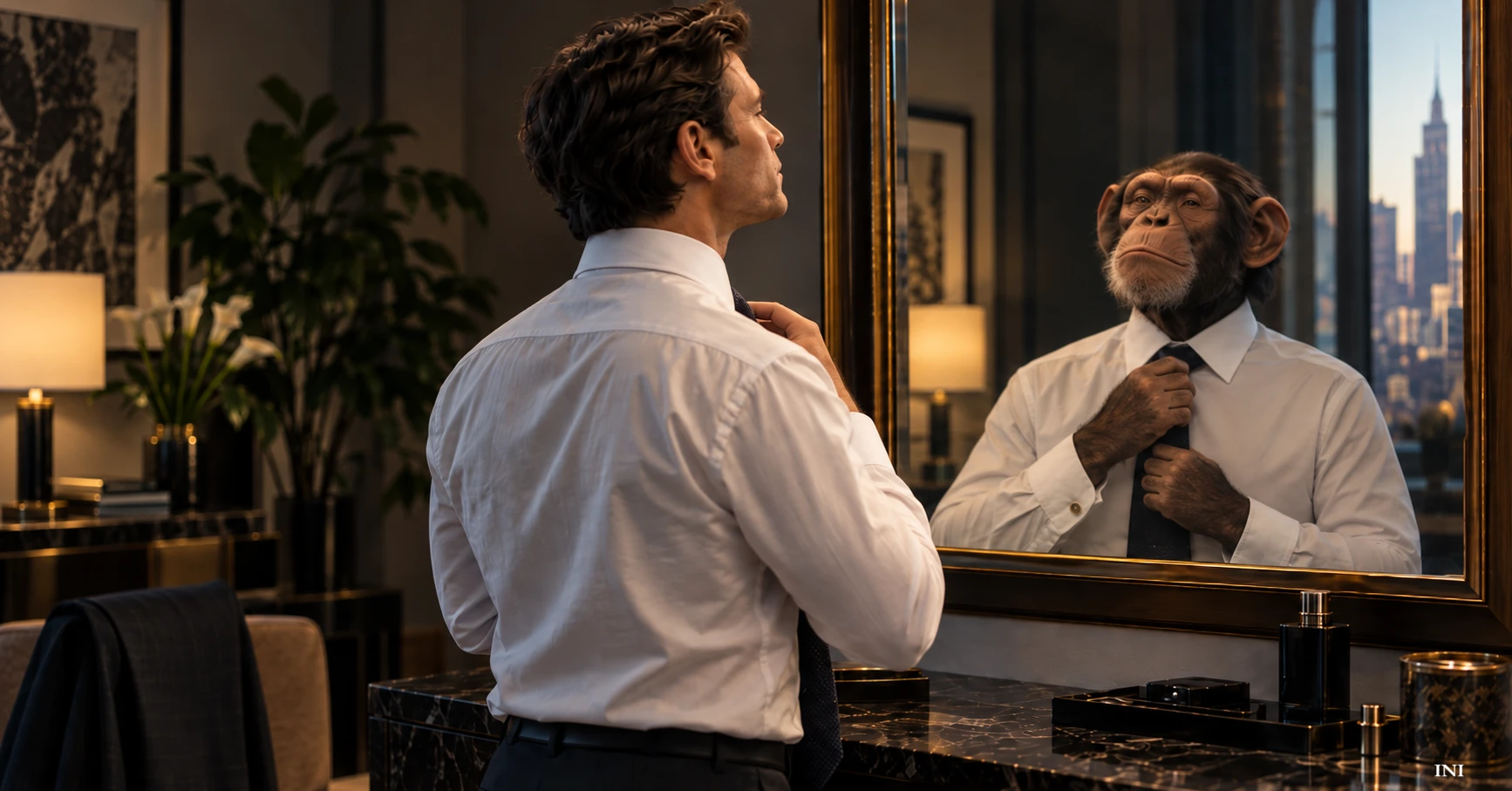
We have composed operas, founded institutions, launched spacecraft, and acquired an impressive vocabulary for distinguishing ourselves from the animal kingdom. The monkey, unfortunately, has continued to behave in ways we recognise rather too well: imitating others, competing for attention, occasionally making a spectacle of itself. In a forest, such behaviour is merely animal. In a boardroom, it may qualify as strategy. And yet, when we want to insult someone, it is still the monkey whose name we borrow.

INI · Free to read
There is something reassuring about the long term. Problems become strategies. Losses become adjustments. Deadlines become target dates. And if the future is far enough away, almost anything can be made to look responsible. We do much the same with our own lives. We work now, save now, invest now — all for the freedom we plan to enjoy later. The money grows. The target moves. The future remains patiently available. We, meanwhile, become slightly older. **The Comfortable Distance of the Long Term** is about economics, postponed responsibility, compound interest — and the small problem of trying to save for a future while quietly spending the one thing we cannot put aside.
An independent literary space
Essays, satire, stories and a few inconvenient observations about the world we have grown accustomed to calling normal.
Intelligent satire, personal observation, and a healthy suspicion of anything that describes itself as inevitable.
Visit INI Published in English and HungarianBooks & stories
Fiction, essays and satire shaped by Central Europe, private memory and the fragile illusions of freedom.
A mirror held up to an age in which noise replaces thought, slogans replace responsibility, and beautifully packaged nonsense begins to look like common sense.
Discover the bookA lyrical story of borders, silence and memory, set in the final years of the Cold War—and in the uneasy space between one life and the next.
Discover the e-bookThe Central European stories
Chernobyl · National Mourning · The Wall · Velvet · The Border
View the author page on Amazon